

In today's electronics manufacturing landscape, Electrostatic Discharge (ESD) protection isn't just an option—it's an absolute necessity. At Dongguan Tongke Electronics Co., Ltd, with over 15 years of experience in electronic component manufacturing, we've witnessed firsthand how ESD-related failures can devastate production yields, product reliability, and ultimately, a company's bottom line.
Discover our ESD-safe solutions: [https://www.ctksemi.com/]
Modern electronic components are becoming increasingly sensitive to ESD due to:
Catastrophic Failures
Immediate, visible damage that renders components useless
Latent Defects
Hidden damage that causes premature failure in the field
Upset Failures
Temporary malfunctions that create intermittent issues
| Cost Category | Typical Impact |
|---|---|
| Production Scrap | 5-30% increase |
| Rework Labor | 15-40% higher |
| Warranty Claims | 2-5x multiplier |
| Brand Reputation | Priceless damage |
Our factory implements a multi-tiered approach:
Personnel Grounding
Worksurface Management
Ionization Systems
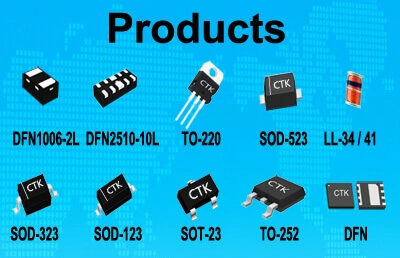
We build protection directly into our components:
In an era where electronic components are more vulnerable than ever, proper ESD protection is the difference between reliable products and expensive failures.




We use cookies to enable our website to function properly, to personalize content and ads, to provide social media features, and to analyze traffic.